

Evidentia is a modern training platform for people who want to understand sexuality, identity, and connection—and guide others with confidence.
Goodbye Ambiguity—
What We Offer
Communication & Boundaries Workshops
Consent & Relationship Education
Emotional Safety in Work & Campus Culture
Customized Training for Teams & Classrooms
Hello Evidentia.

The impact of restricting access to public health information is far-reaching. Resources on domestic violence intervention, LGBTQIA+ health, reproductive rights, and infectious disease prevention are not just theoretical—they save lives. Ensuring that these materials remain widely available means that healthcare providers, educators, advocates, and the general public can continue to make informed, evidence-based decisions about their health and safety.
News
Latest From Evidentia

This Prevention Resource presents a select group of strategies based on the best available evidence to help communities and states sharpen their focus on prevention activities with the greatest potential to prevent intimate partner violence (IPV) and its consequences across the lifespan. These strategies include teaching safe and healthy relationship skills; engaging influential adults and peers; disrupting the developmental pathways toward IPV; creating protective environments; strengthening economic supports for families; and supporting survivors to increase safety and lessen harms. The strategies represented in this resource include those with a focus on preventing IPV, including teen dating violence (TDV), from happening in the first place or to prevent it from continuing, as well as approaches to lessen the immediate and long-term harms of partner violence. Commitment, cooperation, and leadership from numerous sectors, including public health, education, justice, health care, social services, business and labor, and government can bring about the successful implementation of this resource.
The impact of restricting access to public health information is far-reaching. Resources on domestic violence intervention, LGBTQIA+ health, reproductive rights, and infectious disease prevention are not just theoretical—they save lives. Ensuring that these materials remain widely available means that healthcare providers, educators, advocates, and the general public can continue to make informed, evidence-based decisions about their health and safety.

This Prevention Resource represents a select group of strategies based on the best available evidence to help communities and states sharpen their focus on prevention activities with the greatest potential to reduce sexual violence (SV) and its consequences. These strategies focus on promoting social norms that protect against violence; teaching skills to prevent SV; providing opportunities, both economic and social, to empower and support girls and women; creating protective environments; and supporting victims/survivors to lessen harms. The strategies represented in this resource include those with a focus on preventing SV from happening in the first place as well as approaches to lessen the immediate and long-term harms of SV. Though the evidence for SV is still developing and more research is needed, the problem of SV is too large and costly and has too many urgent consequences to wait for perfect answers. There is a compelling need for prevention now and to learn from the efforts that are undertaken. Commitment, cooperation, and leadership from numerous sectors, including public health, education, justice, health care, social services, business/labor, and government can bring about the successful implementation of this resource.

Understanding digital consent is essential in modern relationships. Explore global legal protections, ethical considerations, and challenges like revenge porn laws, cyber harassment, and AI-generated abuse. Learn how to safeguard your digital rights and strengthen online privacy.
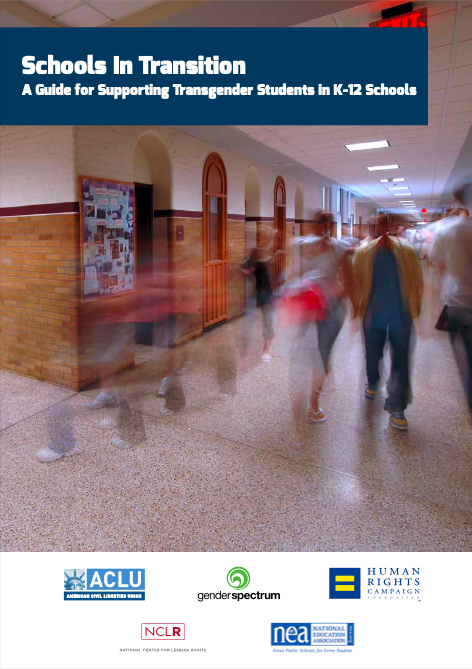
Creating a safe and inclusive school environment for transgender students is critical for their well-being and academic success. Schools in Transition provides practical guidance for educators, administrators, and parents on how to support transgender students through social transitions, legal considerations, and inclusive policies. With contributions from experts at the ACLU, Gender Spectrum, and the Human Rights Campaign, this guide offers best practices, real-life case studies, and actionable strategies to foster gender-inclusive learning spaces.

Intersex individuals—over 5 million Americans—face significant health disparities, medical harm, and systemic discrimination. This reuploaded CDC report on intersex health—originally archived due to federal efforts to erase gender diversity—examines the urgent need for inclusive, evidence-based healthcare and policy reform. Based on listening sessions with intersex advocates, healthcare providers, and policymakers, the report highlights medical harms, barriers to affirming care, and the need for systemic change. Read now to explore strategies for advancing intersex rights, healthcare equity, and legal protections in the fight against discrimination.
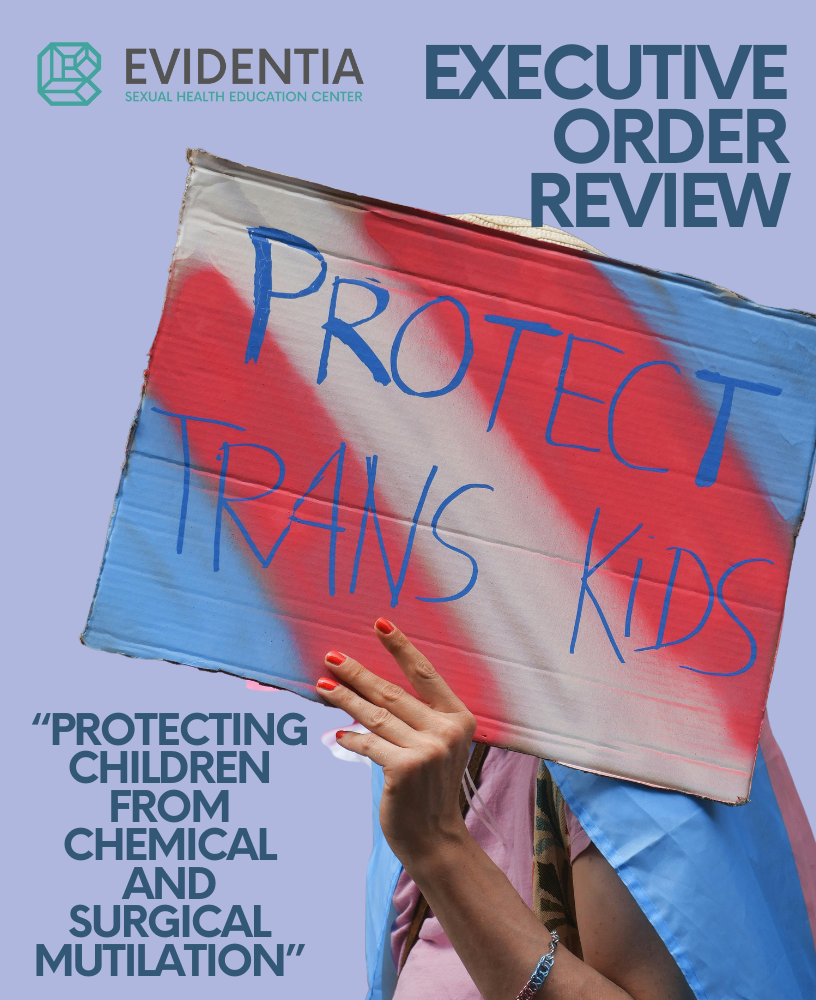
This executive order represents a significant policy shift in how the federal government approaches gender-affirming care for minors. It directs multiple agencies—including the Department of Health and Human Services (HHS), the Department of Justice (DOJ), and the Department of Defense (DOD)—to restrict access to puberty blockers, hormone therapy, and gender-related surgeries for children by eliminating federal funding, changing insurance coverage, and increasing legal scrutiny of medical providers.

President Trump’s recent executive order dismantles federal diversity, equity, and inclusion (DEI) initiatives, diversity, equity, inclusion, and accessibility (DEIA) initiatives, and environmental justice initiatives. This brief, yet sweeping executive order disarms these initiatives by overturning decades of bipartisan policy that was designed to address systemic inequities, overriding it with less than 1000 words.

Executive Order 13988 was released under the presidency of Donald Trump on January 20, 2025, titled Defending Women from Gender Ideology Extremism and Restoring Biological Truth to the Federal Government. It lays out a framework prioritizing a rigid, chromosomal definition of sex, framing it as fixed and binary. This approach dismisses gender entirely, portraying it as a threat to sex assigned at birth—and, more radically, rejecting the idea that sex is "assigned" at birth at all, asserting instead that it is determined at conception.

As we move forward into another iteration of Trump’s America, we aim to address exactly what these political shake-ups mean for healthcare in general—and sexual health in particular. Let’s get a clear-eyed look at the new administration’s impact on public health initiatives: in particular, the intent to withdraw from the World Health Organization, and the implications of someone like Robert F. Kennedy Jr. taking the front seat.

In the maze of academic pursuits and professional endeavors, burnout emerges as a formidable challenge, impacting individuals and institutions alike. This article endeavors to peel back the layers of burnout, delving into its nuanced manifestations, widespread prevalence, and often-overlooked repercussions, including its intersection with sexual health. By shedding light on these interconnected dimensions, we aim to equip readers with a comprehensive understanding of burnout and empower them to navigate its complexities with resilience and foresight.

In today's diverse and evolving healthcare landscape, the importance of sexual diversity training cannot be overstated. This article delves into why such training is indispensable for healthcare practices. From elevating patient care and engagement to facilitating open discussions on sensitive topics, and adhering to best practices, we explore how sexual diversity training not only improves patient outcomes but also distinguishes healthcare practices in a competitive field. Discover how embracing this training can transform your approach to healthcare, ensuring a more inclusive, empathetic, and well-rounded patient experience.

In today's diverse and evolving healthcare landscape, the importance of sexual diversity training cannot be overstated. This article delves into why such training is indispensable for healthcare practices. From elevating patient care and engagement to facilitating open discussions on sensitive topics, and adhering to best practices, we explore how sexual diversity training not only improves patient outcomes but also distinguishes healthcare practices in a competitive field. Discover how embracing this training can transform your approach to healthcare, ensuring a more inclusive, empathetic, and well-rounded patient experience.

In 'Empowering Sex Workers: A Comprehensive Guide to Inclusive Healthcare Practices,' we delve into the multifaceted world of sex work and its implications for healthcare. From the digital platform creators to traditional escorts, we explore the diverse healthcare challenges faced by sex workers and the crucial role of healthcare practitioners in providing non-judgmental, inclusive care. This article emphasizes the importance of understanding the legal contexts, occupational hazards, and the need for empathetic healthcare practices that respect and support the well-being of sex workers. A valuable resource for healthcare professionals, this guide aims to reshape perspectives, promote inclusive practices, and advocate for the health rights of sex workers.

This article delves into the intricacies of sexual response within polyamorous relationships, guided by the dual control model of sexual arousal. It highlights the significance of understanding and adapting to varied patterns of sexual excitation and inhibition among partners. By exploring practical strategies and emphasizing open communication, the piece provides a roadmap for harmonizing diverse sexual needs, enhancing intimacy, and navigating the challenges unique to non-monogamous relationships. It is an essential read for those seeking to deepen their understanding of polyamorous dynamics and sexual wellness.

The holiday season, often depicted as a time of joy, can also be a period of heightened anxiety and stress, particularly impacting relationships. In this article, we delve into the complexities faced by diverse partnerships, including LGBTQIA+ and non-monogamous relationships, as well as those involving neurodivergent individuals. We explore inclusive ways to support each other, communicate effectively, and navigate family dynamics. Learn about maintaining intimacy, the importance of self-care, and how to approach conflict with compassion during these festive yet challenging times.

In an era where inclusive healthcare is more critical than ever, the HealthEquity Toolkit emerges as a groundbreaking resource, revolutionizing sexual health education. Authored by renowned sexuality educator Braelin Andrzejewski and meticulously edited by licensed mental healthcare practitioners, this Toolkit addresses systemic barriers head-on, bringing a new dimension of inclusivity and equity to sexual health education.

In the realm of healthcare, cultivating a trauma-informed approach is not merely a strategy; it's a paradigm shift that recognizes the profound impact of trauma on individuals' well-being. This article lays the groundwork for our exploration into the crucial role of trauma-informed care in addressing sexual trauma within healthcare practice. Furthermore, it sets the stage for an in-depth examination of the intricate web of connections between sexual and mental health. A trauma-informed perspective is imperative, for it acknowledges and validates each survivor's unique needs and experiences.

60% of HCPs believed sexual issues should be addressed. Only 6% initiated these discussions, citing reasons such as lack of training and personal discomfort. The overarching consensus of 20 years of research is clear: training in sexuality education is crucial for HCPs to communicate effectively about sexuality. Such training not only enhances their knowledge and comfort levels but also promotes a more holistic approach to patient care. As the demand for comprehensive patient care grows, investments in sexuality education for HCPs across disciplines become increasingly essential.

In essence, sexual health and mental health are so closely knit that they should often be addressed together in both personal and professional contexts. This understanding is not just theoretical; it's practical, affecting policy-making, educational curricula, and even workplace wellness programs. It's a perspective that can reshape how we approach health as a society. As we at Evidentia strive to lead this conversation, we challenge each sector to consider: How can we collaborate to better integrate sexual health and mental health in our services and education? What changes would this integration bring to your field? Let's start the discussion.
Comprehensive sexuality education (CSE) is a critical component in shaping a well-informed and healthy society. Unlike traditional sex education, which often focuses narrowly on abstinence or reproductive biology, CSE encompasses a broader curriculum. It delves into topics such as consent, sexual orientation, gender identity, relationships, and safe sex practices. This holistic approach empowers individuals, especially adolescents, to make informed decisions about their bodies and relationships.

In today's globalized world, the workplace is a diverse tapestry of cultures and experiences. Dive into the significance of diversity and inclusion workshops, and discover how they're reshaping modern businesses, fostering innovation, and creating inclusive environments where everyone thrives.

Explore top evidence-based training programs for mental healthcare practitioners. From the comprehensive insights of the University of Michigan's Sexual Health Program and SAMHSA's LGBT training to the holistic approach of ISEE, discover how Evidentia Certification stands out. Designed for professionals seeking practical expertise without the lengthy commitment, Evidentia is your go-to for a quick, impactful boost in contemporary mental healthcare practices. Level up your skill set efficiently.

Explore the significance of evidence-based materials at Evidentia Sexual Health Education Center for mental health professionals in Northeast Ohio. Enhance your practice with the latest research and insights.

In today's diverse society, mental health practitioners have a responsibility to provide inclusive and affirming care for all individuals. This includes the LGBTQ+ community, which faces unique mental health challenges. In this blog post, we will delve into the importance of queer-inclusive diversity training for mental health practitioners and how it can profoundly enhance your practice. Additionally, we'll introduce you to the Evidentia Certification, a valuable resource to ensure your practice is equipped to provide compassionate and effective care.

Sexuality education is playing an increasingly important role in improving healthcare practices across the United States. With a growing emphasis on diversity, inclusion, and patient-centered care, healthcare providers are recognizing the significance of comprehensive sexuality education. In this blog post, we explore how sexuality education, with its focus on diversity and inclusion, is positively transforming healthcare practices in the US.

Inclusive language on healthcare intake forms plays a vital role in fostering a welcoming and respectful environment for patients. It goes beyond traditional demographic information and embraces the diversity of patient identities and experiences. In this blog post, we highlight the significance of inclusive language on intake forms, with a focus on nonmonogamy, kink, BDSM, and gender nonconformity.

While medical schools provide essential training to aspiring doctors, one critical area often overlooked is comprehensive sex education, specifically focusing on gender diversity, inclusivity, and related topics. In this blog post, we explore the importance of continuing education for doctors in these areas and why it is crucial to bridge the gap left by limited sex education during medical school.

Sexual health education plays a crucial role in comprehensive patient care. To provide the highest level of service and support to your patients, it is essential for healthcare practices to have a well-rounded toolkit specifically dedicated to sex education. In this blog post, we will explore the top reasons why investing in a sex education toolkit is a strategic move that can benefit both your practice and your patients.
Communication is where research meets real life.
Explore our expert-designed educational materials—accessible, inclusive, and built for learners on the move. From in-depth guides to engaging webinars, we make evidence-based communication easy to take with you.


Ah, the holidays—when every movie screams romance, yet you’re stuck FaceTiming your partner instead of holding their hand under fairy lights. Let’s be real—holidays in a long-distance relationship (LDR) can feel bittersweet, especially with around 75% of college students experiencing an LDR. But don’t worry: with some creativity, planning, and tech-savviness, you can turn those miles into meaningful moments. Here’s your guide to turning the miles into meaningful memories to keep your connection alive this holiday season.